

What Are Veneers? Benefits, Process & Results
January 1, 2026Veneers are thin, custom-shaped covers that fit over the front of your teeth to improve their appearance. They change the color, shape, and length of teeth that show when you smile. For many adults, cosmetic dental veneers offer a steady way to fix stains, chips, or gaps and boost confidence. This guide walks through what veneers are, how the process works, how long they last, and how to decide if they fit your goals.
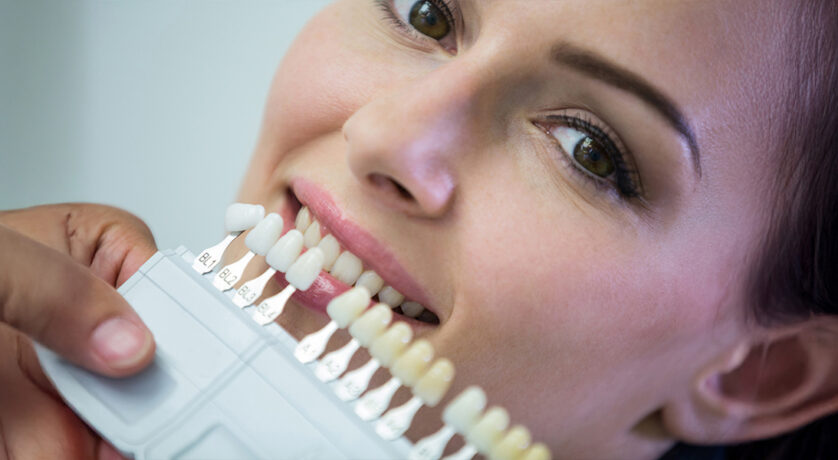
Understanding Dental Veneers
A veneer is a strong, tooth-colored layer bonded to the front of a tooth. Most veneers use porcelain or composite resin. Both materials blend with your natural enamel and reflect light in a way that looks like a real tooth.
Veneers can be used on one tooth or across several teeth in your smile zone. Your dentist designs them to match your features, face shape, and bite. The goal is a smile that looks balanced and natural, not overdone.
Common reasons people ask about veneers include:
- Stains that do not respond to whitening
- Chipped or worn edges
- Small gaps between teeth
- Teeth that look uneven or misshapen
Why Patients Choose Veneers for Cosmetic Improvement
Many patients want a more even smile without months of orthodontic treatment. Veneers can hide a mix of cosmetic issues in fewer visits than braces or aligners.
Veneers can:
- Brighten teeth that stay dark after whitening
- Make short teeth appear longer
- Close modest spaces and black triangles
- Create a more uniform, symmetrical look
For some, veneers are part of a complete smile makeover that includes whitening, contouring, or replacing old restorations. Your dentist will map out a plan that fits your mouth, not a one-size template.
Types of Veneers and How They Differ
Not all veneers are the same. Your dentist will discuss which type suits your teeth, bite, and cosmetic goals.
Porcelain veneers
- Made in a dental lab from high-strength porcelain
- Resist stains from coffee, tea, and wine
- Often last longer than composite veneers
- Requires a small amount of enamel removal in most cases
Composite veneers
- Sculpted directly on the tooth with tooth-colored resin
- It can often be placed in a single visit
- Easier to repair if chipped
- May stain and wear faster than porcelain
Minimal-prep or no-prep veneers
- Very thin shells that need little enamel removal
- Not right for every case, especially where teeth already flare forward
- Can feel more conservative when anatomy allows
Your dentist will weigh gum health, bite forces, and the starting position of your teeth before recommending a style.
What the Veneer Process Looks Like from Start to Finish
The veneer process is planned and stepwise. Here is what you can expect in most cases:
- Consultation and exam
- Smile design
- Tooth preparation
- Temporary veneers
- Lab fabrication
- Try-in and bonding
- Follow-up visit
Your dentist listens to your concerns, reviews your health history, and examines your teeth and gums. Photos and X-rays help plan safe treatment.
You and your dentist talk about shape, shade, and the number of teeth to treat. Some offices use digital scans or mock-up models so you can preview changes.
A thin amount of enamel is smoothed away only where needed so the veneer fits comfortably and looks natural. Numbing is used to keep you comfortable. An impression or digital scan is taken.
Custom temporaries protect your teeth and let you “test drive” your new look. You can give feedback on length, shape, and feel.
A lab designs and creates your veneers based on the agreed plan. Shade and translucence are matched to your natural teeth or chosen whitened shade.
At the final visit, veneers are placed on your teeth without cement first. Once you and your dentist approve the fit and color, they are bonded to your teeth and polished.
A short follow-up checks your bite and gum health and allows for any fine-tuning.
How Long Veneers Last and How to Care for Them
With good habits and regular checkups, porcelain veneers often last a decade or more. Some remain in good shape for much longer. Composite veneers have a shorter life span and may need more maintenance.
To protect your veneers:
- Brush twice a day and floss once a day
- Routine checkups and cleanings with your local dentist help keep your veneers and natural teeth in good shape
- Avoid chewing ice, pens, or very hard foods with veneered teeth
- If you grind or clench your teeth, a night guard can help protect both your veneers and natural enamel
- Limit dark drinks and tobacco for the sake of your entire smile
Veneers themselves do not decay, but the tooth under them can. Good home care is vital.
Are Veneers the Right Choice for You?
Veneers work best for patients who want a greater cosmetic change than whitening alone can offer, yet do not need full crowns on each tooth.
You may be a good match if:
- Your gums are healthy
- You have enough enamel for bonding
- Your bite is stable without severe grinding
- You have realistic goals and understand the limits
If you search for a dentist in Ellicott City, look for a provider who spends time on planning, listens to your concerns, and explains alternatives. In some cases, orthodontics, whitening, or bonding may be better first steps.
Veneers FAQ
How long do veneers last?
Porcelain veneers can stay in good shape for many years, often 10 to 15 or more, when you care for them well, and your bite remains stable. Composite veneers tend to have a shorter span and may need repair or replacement sooner. Lifespan depends on oral hygiene, diet, and habits such as grinding.
What should I expect during a veneer procedure?
For most patients, the veneer process includes:
- An initial consultation and exam
- Tooth preparation with local anesthetic
- Impressions or digital scans
- Temporary veneers while the lab works
- A final visit where veneers are tried in, adjusted, and bonded
You can expect some pressure and minor vibration during preparation, but numbing helps keep you comfortable through the visit.
What dental issues can veneers fix?
Veneers can improve the look of:
- Deep or uneven stains
- Chipped, cracked, or worn teeth
- Small gaps or slight crowding
- Teeth that seem short, narrow, or misshapen
They do not replace orthodontic treatment for major bite problems, but they can refine the way your smile looks in many day-to-day cases.
Am I a good candidate for veneers?
You might be a good candidate if your teeth and gums are healthy, you do not have untreated decay, and your bite is not severely imbalanced. Patients who grind their teeth may still qualify with added protection, such as a night guard. A complete exam and a conversation with your dentist will give you the clearest answer for your smile.
Book a Veneers Consultation with Our Dental Team
If you are curious about veneers, the next step is a face-to-face visit with a dentist near you who can study your teeth and walk through your choices. During your consultation, your dentist will show examples, answer your questions, and explain a treatment plan that fits your goals, timeline, and comfort. To explore what veneers could do for your own smile, schedule a visit with the team at Family & Cosmetic Dentistry in Ellicott City and start moving toward the confident smile you want.

Dr. Ali Sedighian
DDS
Dr. Ali Sedighian, DDS, offers custom dental veneers in Ellicott City to improve tooth color, shape, spacing, and overall smile appearance. Veneers provide a durable, natural-looking solution for a complete smile makeover. Patients choose Family & Cosmetic Dentistry in Ellicott City for beautiful cosmetic results from a trusted dentist in Ellicott City.