

Dental Implants in Ellicott City: What to Expect Before, During, and After Treatment
March 1, 2026Replacing a missing tooth is an important health decision. Beyond appearance, a missing tooth can affect chewing, speech, and jawbone support. Many patients exploring dental implants in Ellicott City want to understand the full process before committing to care.
Dental implants involve staged planning, placement of a titanium post, and attachment of a final crown. Understanding each stage of care supports informed decision-making based on your oral health condition.
Getting Ready for Dental Implant Treatment
The process begins with a detailed consultation. During this visit, the dentist reviews your medical history, examines your teeth and gums, and evaluates jawbone quality. Digital imaging is typically used to assess bone density and determine whether the area is suitable for an implant.
Not everyone is immediately ready for implant placement. Healthy gum tissue and sufficient bone support are important. If the jawbone lacks sufficient density, a graft may be placed to build a stable foundation before surgery. Any active gum disease or untreated decay must also be addressed first.
This visit allows discussion of timing, potential risks, and expected outcomes before treatment begins.
What Happens During Implant Placement
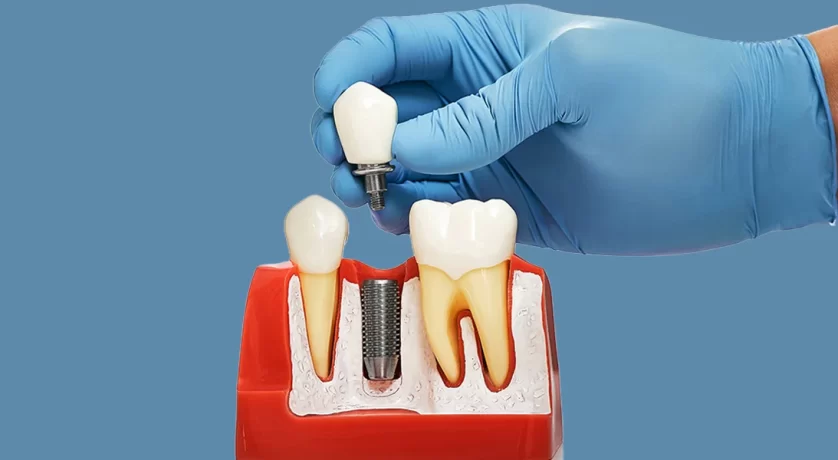
Implant therapy typically occurs in stages. The first step is to place a small titanium post into the jawbone.
Sedation options may be available for patients who feel anxious. The implant is carefully positioned in the bone, and the gum tissue is closed to allow healing.
After placement, the body begins a process called osseointegration. During this period, the bone gradually fuses with the implant surface. Bone integration creates the foundation needed for lasting support.
Once fusion is complete, an abutment is attached to the post. A custom-made crown is then secured to restore normal chewing function and appearance.
Patients who search for dental implants near me often ask about discomfort. Most people report mild soreness following the procedure, which can usually be managed with prescribed or recommended medication.
Healing and Dental Implant Recovery
The early phase of dental implant recovery generally lasts several days. Mild swelling, tenderness, or bruising is common and typically improves within a week. Post-procedure instructions will include recommendations for diet, home care, and adjustments to physical activity.
Full integration with the jawbone can take several months, depending on overall health status and bone density. Attending follow-up visits allows the dentist to monitor progress and address any concerns.
It is important to maintain good oral hygiene during recovery. While implants do not decay, the surrounding gum tissue must remain healthy to support stability.
Long-Term Care After Implant Treatment
Once fully restored, dental implants function similarly to natural teeth. Brushing twice daily, flossing, and routine professional cleanings remain essential.
Habits such as smoking, uncontrolled blood sugar levels, and inconsistent hygiene can interfere with proper healing and stability. For this reason, ongoing monitoring is recommended. Regular examinations help detect early signs of inflammation around the implant.
Continued follow-up visits and home hygiene support long-term performance.
Frequently Asked Questions
What is the dental implant process like?
The process involves consultation, diagnostic imaging, placement of the titanium post, healing for bone integration, and final crown attachment. The length of treatment is influenced by biological healing and the need for preliminary procedures.
How long does healing take after dental implants?
Initial recovery usually takes about one week. Complete integration of the post with the jawbone may require several months. Your dentist will evaluate healing before placing the final restoration.
Are dental implants painful?
Local anesthesia is used during placement to reduce discomfort. Mild soreness afterward is common but generally manageable with medication and proper aftercare.
Who is a good candidate for dental implants?
Most healthy adults with adequate jawbone density and controlled medical conditions may qualify. Careful examination and review of your health history help confirm candidacy.
Important Considerations Before Moving Forward
Implant therapy involves a surgical procedure, and like any medical treatment, it carries potential risks. Potential complications include infection, delayed healing, or implant failure, which should be discussed during treatment planning.
Open communication with your dental provider is essential. Discuss any medical conditions, medications, or concerns during your appointment to ensure safe planning.
Clinical findings, imaging results, and overall oral health goals guide treatment decisions.
Final Thoughts
Dental implants replace missing teeth through a carefully staged process that includes planning and follow-up care. From consultation to final restoration, each phase contributes to structural support and function.
If you are considering tooth replacement, schedule a consultation to determine whether implants are appropriate for your situation.

Dr. Ali Sedighian
DDS
Dr. Ali Sedighian, DDS, provides All-on-4 dental implants in Ellicott City for patients seeking a stable, full-arch tooth replacement solution. This treatment restores function, comfort, and confidence using strategically placed implants to support a full arch of replacement teeth. Patients trust Family & Cosmetic Dentistry in Ellicott City for advanced implant care from a knowledgeable dentist in Ellicott City.