

Emergency Dentist in Ellicott City, MD: When Should You Seek Urgent Care?
October 1, 2026A severe toothache, worsening swelling, or a damaged tooth can make it hard to decide whether to wait for a regular appointment. Some dental problems can wait, but increasing pain, persistent bleeding, infection, or significant trauma may need attention sooner.
An emergency dentist in Ellicott City, MD can identify the cause of your symptoms and explain your treatment options.
Same-day emergency appointments may be available for urgent dental concerns when scheduling permits.
Call our Ellicott City office as soon as possible so the team can review your symptoms and discuss same-day appointment availability.
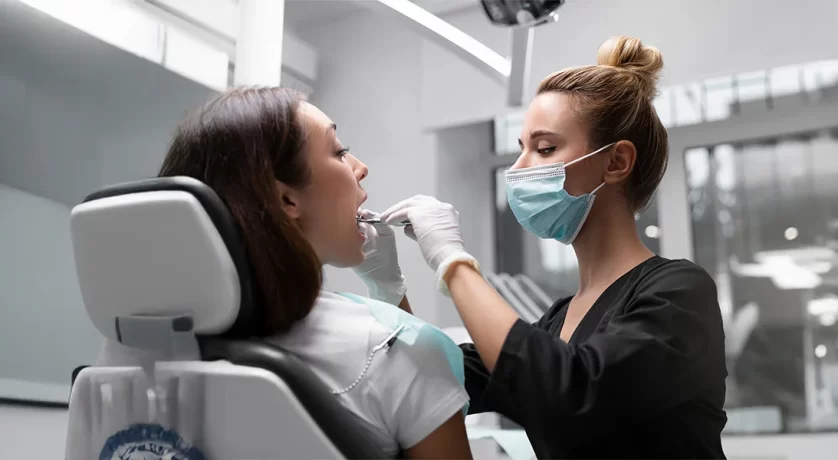
What Is Considered a Dental Emergency in Ellicott City, MD?
A dental problem may need urgent care when pain, infection, bleeding, or injury worsens.
Seek prompt dental attention for:
- Severe or persistent tooth pain
- Increasing facial swelling
- Bleeding that does not stop with pressure
- A knocked-out permanent tooth
- A painful cracked or broken tooth
- Mouth or jaw trauma
- Swelling with fever or feeling unwell
Deep decay or a fracture can inflame the dental pulp, causing sharp or throbbing pain.
The ADA recognizes severe pulpal pain, abscesses, fractures, and dental trauma as conditions that may require urgent care. Pain that worsens, spreads, or affects eating or sleep should be checked promptly.
When Should Ellicott City, MD Patients Seek Immediate Dental Care?
Do not rely on home remedies if pain, swelling, or dental injury worsens. Urgent dental care can help determine whether you need prompt treatment.
ADA guidance favors treating the source of many dental infections rather than using antibiotics alone. Antibiotics may be needed when fever or malaise is present.
Seek emergency medical care for uncontrolled bleeding, serious facial trauma, or swelling that affects breathing.
Common Dental Emergencies Treated in Ellicott City, MD
Emergency visits focus on identifying the cause of pain, swelling, or injury. The dentist may review your symptoms, examine the area, and take X-rays if needed.
A same-day emergency dentist visit may be appropriate when the problem cannot wait for a routine appointment.
Knocked-Out Permanent Tooth
Hold the tooth by the crown, not the root. If it is dirty, rinse it gently and try to place it back in the socket without forcing it.
If that is not possible, keep it moist in milk or a tooth-preservation solution and seek dental care immediately. Do not reinsert a knocked-out baby tooth.
Cracked or Broken Tooth
Clean the mouth gently and avoid putting pressure on the damaged tooth while eating. Use a cold compress if swelling develops and arrange a dental evaluation.
Severe or Persistent Toothache
Pain that worsens, disrupts sleep, or occurs with swelling should be checked promptly.
If symptoms continue to increase, contact a dentist near you for guidance.
Conclusion
Dental emergencies do not always involve obvious damage. Infection, inflammation, or a crack may be developing even when the outside of the tooth looks relatively normal.
Persistent pain, increasing swelling, uncontrolled bleeding, or significant dental trauma should not be ignored. An examination, with X-rays when clinically needed, can clarify the problem and guide safe care.
If you need an emergency dentist, contact the office to discuss your symptoms and appointment availability.
Family & Cosmetic Dentistry in Ellicott City reserves time for urgent concerns and may offer a same-day visit when scheduling permits.
Frequently Asked Questions
What qualifies as a dental emergency?
Severe or worsening pain, uncontrolled bleeding, increasing swelling, a knocked-out permanent tooth, or significant dental trauma may require urgent evaluation.
When should I go to an emergency dentist?
Contact a dentist when pain becomes difficult to manage, swelling appears, a tooth is displaced or badly damaged, or bleeding continues despite pressure.
Is severe tooth pain considered a dental emergency?
It can be. Severe or persistent pain can result from pulp inflammation, deep decay, infection, or a tooth fracture.
Can a tooth infection become an emergency?
Yes. Increasing swelling, fever, malaise, or signs of spreading infection require timely assessment. Difficulty breathing requires emergency medical attention.
Should I go to the emergency room for a toothache?
Most toothaches need dental evaluation. Seek emergency medical care if swelling threatens breathing, bleeding cannot be controlled, or serious facial trauma has occurred.
What should I do if my tooth gets knocked out?
Handle a permanent tooth by the crown, keep it moist, and seek dental care immediately. Do not reinsert a knocked-out baby tooth.
What should I do if I break or crack a tooth?
Rinse gently, avoid chewing on the affected side, and arrange an examination, especially if you have pain, sensitivity, or swelling.
How quickly should I treat a dental abscess?
Have a suspected abscess assessed promptly. Fever, increasing swelling, malaise, or difficulty swallowing or breathing increases the urgency.
Can an emergency dentist treat a dental infection?
A dentist can identify the source and recommend care. Antibiotics aren't necessary for every localized infection and don't replace treatment of the underlying dental problem.
Can an emergency dentist see me the same day?
The practice states that it reserves same-day appointment time for urgent concerns when scheduling allows.
What happens during an emergency dental appointment?
The dentist typically reviews your symptoms and health history, examines the problem area, and may recommend X-rays before discussing treatment options.