
Category: Uncategorized

Cosmetic Dentistry in Ellicott City: How to Get a Natural-Looking Smile
May 1, 2026When patients ask how to improve their smile, the focus is often on making teeth look whiter or straighter. In practice, a natural result depends on more than that. Teeth need to match facial proportions, gum shape, and bite alignment. If one of these factors is overlooked, the outcome may look artificial even if the teeth appear straight.
In clinical planning, the goal is to improve appearance without removing the characteristics that make your smile look natural. Understanding what contributes to a natural-looking smile helps guide treatment decisions and prevent unnecessary procedures.

What Dentists Evaluate Before Cosmetic Treatment
Before recommending any cosmetic procedure, a dentist evaluates how your teeth function and how they appear in relation to your face. This usually includes checking bite alignment, enamel thickness, gum position, and tooth proportions.
For example, if teeth are shortened due to wear, simply whitening them may not create balance. If the bite is uneven, cosmetic changes alone may not last. These details influence how treatment is planned and whether additional steps are needed before improving appearance.
Why Treatment Planning Is Different for Every Patient
No two patients have the same tooth structure or bite pattern. This is why cosmetic dentistry is planned individually rather than using a standard approach.
A cosmetic dentist in Ellicott City, MD, may use digital scans or mock-up models to assess how changes will affect both appearance and function. This step allows adjustments before treatment begins. It also helps avoid results that look too uniform or disproportionate to facial features.
From a clinical perspective, preserving natural tooth structure is always a priority. Treatment is adjusted to improve appearance without weakening enamel or affecting long-term stability.
Whitening Without Losing Natural Depth
Teeth whitening can improve brightness, but natural enamel is not a single flat shade. It has variation and translucency that give it depth.
When whitening is done too aggressively, teeth may appear opaque or unnaturally bright. A controlled approach improves shade gradually while maintaining this depth. The final color is selected based on skin tone, age, and surrounding teeth, rather than aiming for maximum whiteness.
Reshaping Teeth With Conservative Methods
Procedures such as bonding or veneers are used when there are gaps, uneven edges, or minor shape concerns. The clinical focus is on reshaping rather than replacing the natural appearance.
If restorations are made too large or too uniform, they can disrupt facial balance. Instead, dentists shape materials to follow the natural outline of each tooth. Small differences in edge design and light reflection are preserved to keep the result realistic.
Material selection also matters. Modern ceramic and composite materials are designed to reflect light in a manner that closely resembles enamel, helping to avoid an artificial look.
How Alignment Affects Smile Appearance
Tooth position plays a key role in how a smile is perceived. Even small rotations or spacing can change how light reflects off the teeth, making them appear uneven.
Clear aligner therapy, including Invisalign Ellicott City, allows gradual correction without removing tooth structure. Movement is planned in stages so that teeth shift safely within the bone. This not only improves appearance but also supports better bite function.
From a clinical standpoint, proper alignment reduces uneven wear and helps maintain results over time.
The Role of Gum Contours in Smile Balance
The gumline forms the frame around the teeth. If the gum level is uneven, teeth can appear shorter or irregular, even when properly aligned.
Gum contouring is sometimes recommended to improve symmetry. The amount of tissue adjusted is based on the underlying bone and tooth structure. Removing too much tissue can create sensitivity or imbalance, so changes are kept minimal and controlled.
Recognizing When Less Treatment Is Better
One common concern in cosmetic dentistry is doing more than necessary. This often leads to teeth that appear overly bright or identical in shape.
A conservative approach focuses on improving what is already present. For example, mild reshaping or alignment may yield better results than full-coverage restorations. Identifying these options is part of careful treatment planning.
Choosing the Right Clinical Approach
Patients often begin by searching for a dentist near me, but the outcome depends on how treatment decisions are made, not just availability.
A provider who evaluates both function and appearance is more likely to recommend appropriate care.
Maintaining Results After Treatment
Once cosmetic improvements are completed, maintenance becomes important. Enamel can stain over time, and teeth may shift if alignment is not retained.
Patients are usually advised to maintain regular hygiene visits, use retainers if alignment was corrected, and limit habits that affect enamel. These steps help preserve both the appearance and function of the smile.
Final Thoughts
A natural result in cosmetic dentistry comes from careful evaluation, controlled treatment, and attention to detail. The goal is not to change your smile entirely, but to improve its balance while preserving its natural characteristics.
When treatment is planned with both function and appearance in mind, results tend to look more realistic and remain stable over time.
At Family & Cosmetic Dentistry in Ellicott City, treatment planning considers bite stability, enamel health, and facial balance before making cosmetic changes. This helps ensure that results remain stable and natural over time.
How Often Should You Visit the Dentist? A Guide for Ellicott City Patients
April 1, 2026Some dental conditions can progress quietly before noticeable discomfort appears. By the time pain or sensitivity occurs, the dental problem may already require professional care.
Routine dental examinations help dentists identify minor concerns before significant damage develops. During an exam, the dentist reviews the condition of the teeth and gums, looks for early cavities, and observes changes in oral tissues over time. Patients often begin searching for a dentist near you when discomfort develops, but preventive visits help detect concerns before symptoms begin.
Consistent dental care helps reduce the risk of untreated dental disease.

Why Routine Dental Visits Are Important
Dental visits include preventive care along with a review of the teeth and gums. During a routine appointment, the dentist checks several aspects of oral health to look for early signs of disease.
A typical dental examination may include:
- Checking teeth for cavities or structural damage
- Assessing gum health and signs of inflammation
- Identifying plaque or tartar buildup
- Observing changes in oral tissues
- Reviewing bite alignment and tooth wear
Professional cleanings remove hardened plaque deposits that brushing and flossing cannot eliminate on their own. Many patients search online for dental cleaning near me to maintain oral hygiene and reduce the risk of cavities or gum disease.
Dental cleanings also help reveal changes in gum tissue and tooth condition.
How Often Are Dental Visits Recommended?
For many people, dentists recommend scheduling a checkup about every six months.
However, the appropriate schedule can vary depending on individual oral health needs. Some patients may require closer monitoring because of certain risk factors.
A dentist in Ellicott City may recommend shorter intervals between visits if a patient has:
- A history of gum disease
- Frequent cavities
- Dry mouth related to medications
- Heavy plaque buildup
- Medical conditions that affect oral health
In these situations, the dentist may recommend visits every three or four months to monitor gum health and maintain plaque control.
Signs You May Need to See a Dentist Sooner
Even if you follow a routine visit schedule, certain signs should be checked earlier. Waiting too long for a dental evaluation may allow dental disease to progress.
Contact a dentist if you notice:
- Persistent tooth pain
- Bleeding gums that continue for several days
- Swelling in the gums or jaw
- Increased tooth sensitivity
- A chipped or damaged tooth
These signs may indicate infection, tooth decay, or gum disease. An early examination helps the dentist diagnose the problem and recommend appropriate care.
What Happens During a Routine Dental Appointment
Routine dental visits usually include both an examination and preventive care.
A typical appointment may involve:
- Assessment of the teeth, gums, and oral tissues
- Dental X-rays when needed to detect hidden problems
- Removal of plaque and tartar deposits
- Review of gum health and periodontal measurements
Patients often search for a dentist near you when treatment becomes necessary, but regular visits help dentists monitor oral health before serious problems develop.
Why Skipping Dental Visits Can Lead to Bigger Problems
When routine visits are delayed, small dental issues can progress without noticeable symptoms. Minor cavities or early gum disease may continue developing until they require more extensive treatment.
Regular dental checkups help identify these concerns before significant damage occurs. Preventive care can lower the risk of infection, tooth damage, or bone loss around the teeth.
Patients seeking a dentist in Ellicott City often schedule preventive appointments to maintain oral health and reduce the need for more complex procedures later.
If several years have passed since your last dental visit, scheduling a comprehensive exam helps review the health of your teeth and gums. Dental teams at Brand Name typically begin with a detailed evaluation before recommending treatment based on the patient’s needs.
Frequently Asked Questions
Many patients benefit from visiting the dentist about every six months for an examination and professional cleaning. The recommended schedule may vary depending on individual oral health risks.
Patients with a low risk of dental disease may be able to extend the interval between visits. However, regular monitoring helps dentists detect changes early.
Persistent tooth pain, gum swelling, bleeding gums, or lasting sensitivity may indicate the need for a dental checkup.
A comprehensive dental examination helps evaluate the health of your teeth and gums and determine whether any issues require treatment.
Adults and older individuals may need more frequent dental visits if gum disease, dry mouth, or certain medical conditions affect oral health.
Skipping dental visits may reduce short-term costs, but untreated dental problems can become more serious and require more complex treatment later.
Dental Implants in Ellicott City: What to Expect Before, During, and After Treatment
March 1, 2026Replacing a missing tooth is an important health decision. Beyond appearance, a missing tooth can affect chewing, speech, and jawbone support. Many patients exploring dental implants in Ellicott City want to understand the full process before committing to care.
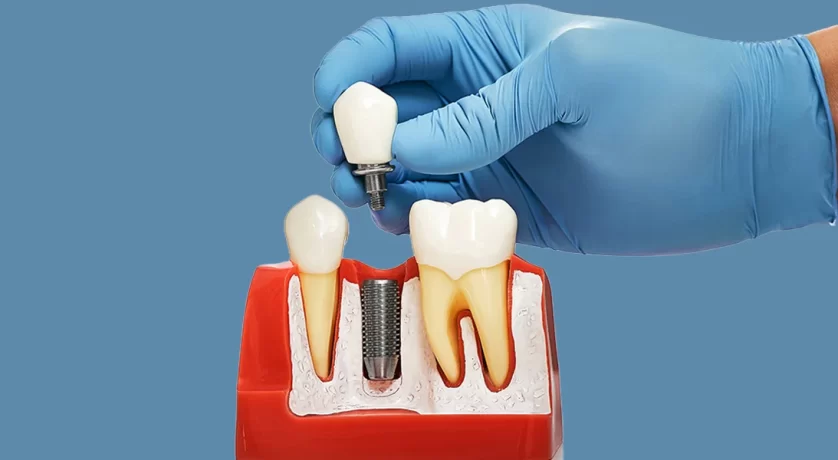
Dental implants involve staged planning, placement of a titanium post, and attachment of a final crown. Understanding each stage of care supports informed decision-making based on your oral health condition.
Getting Ready for Dental Implant Treatment
The process begins with a detailed consultation. During this visit, the dentist reviews your medical history, examines your teeth and gums, and evaluates jawbone quality. Digital imaging is typically used to assess bone density and determine whether the area is suitable for an implant.
Not everyone is immediately ready for implant placement. Healthy gum tissue and sufficient bone support are important. If the jawbone lacks sufficient density, a graft may be placed to build a stable foundation before surgery. Any active gum disease or untreated decay must also be addressed first.
This visit allows discussion of timing, potential risks, and expected outcomes before treatment begins.
What Happens During Implant Placement
Implant therapy typically occurs in stages. The first step is to place a small titanium post into the jawbone.
Sedation options may be available for patients who feel anxious. The implant is carefully positioned in the bone, and the gum tissue is closed to allow healing.
After placement, the body begins a process called osseointegration. During this period, the bone gradually fuses with the implant surface. Bone integration creates the foundation needed for lasting support.
Once fusion is complete, an abutment is attached to the post. A custom-made crown is then secured to restore normal chewing function and appearance.
Patients who search for dental implants near me often ask about discomfort. Most people report mild soreness following the procedure, which can usually be managed with prescribed or recommended medication.
Healing and Dental Implant Recovery
The early phase of dental implant recovery generally lasts several days. Mild swelling, tenderness, or bruising is common and typically improves within a week. Post-procedure instructions will include recommendations for diet, home care, and adjustments to physical activity.
Full integration with the jawbone can take several months, depending on overall health status and bone density. Attending follow-up visits allows the dentist to monitor progress and address any concerns.
It is important to maintain good oral hygiene during recovery. While implants do not decay, the surrounding gum tissue must remain healthy to support stability.
Long-Term Care After Implant Treatment
Once fully restored, dental implants function similarly to natural teeth. Brushing twice daily, flossing, and routine professional cleanings remain essential.
Habits such as smoking, uncontrolled blood sugar levels, and inconsistent hygiene can interfere with proper healing and stability. For this reason, ongoing monitoring is recommended. Regular examinations help detect early signs of inflammation around the implant.
Continued follow-up visits and home hygiene support long-term performance.
Frequently Asked Questions
The process involves consultation, diagnostic imaging, placement of the titanium post, healing for bone integration, and final crown attachment. The length of treatment is influenced by biological healing and the need for preliminary procedures.
Initial recovery usually takes about one week. Complete integration of the post with the jawbone may require several months. Your dentist will evaluate healing before placing the final restoration.
Local anesthesia is used during placement to reduce discomfort. Mild soreness afterward is common but generally manageable with medication and proper aftercare.
Most healthy adults with adequate jawbone density and controlled medical conditions may qualify. Careful examination and review of your health history help confirm candidacy.
Important Considerations Before Moving Forward
Implant therapy involves a surgical procedure, and like any medical treatment, it carries potential risks. Potential complications include infection, delayed healing, or implant failure, which should be discussed during treatment planning.
Open communication with your dental provider is essential. Discuss any medical conditions, medications, or concerns during your appointment to ensure safe planning.
Clinical findings, imaging results, and overall oral health goals guide treatment decisions.
Final Thoughts
Dental implants replace missing teeth through a carefully staged process that includes planning and follow-up care. From consultation to final restoration, each phase contributes to structural support and function.
If you are considering tooth replacement, schedule a consultation to determine whether implants are appropriate for your situation.
How Long Should I Avoid Alcohol After Tooth Extraction?
February 1, 2026A tooth extraction is a familiar dental procedure, but proper aftercare plays a major role in how smoothly healing occurs. One of the most common questions patients ask after treatment is when it is safe to drink alcohol again. While having a drink may seem harmless, alcohol can interfere with the body’s natural healing process, especially in the early stages after an extraction. Understanding the timing, risks, and best practices can help you protect the extraction site and reduce the chance of complications.

Patients often discuss these concerns with a dentist near you during post-procedure instructions, as guidance may vary depending on individual health and the seriousness of the extraction.
Why Alcohol Affects Healing After a Tooth Extraction
After a tooth is eliminated, a blood clot develops in the socket. This clot is essential because it protects the underlying bone and nerves while new tissue develops. Alcohol can disrupt this process in several ways.
Alcohol may thin the blood, which can increase bleeding and delay clot formation. It can also dehydrate the body, slowing tissue repair. In addition, alcohol may interact negatively with pain medications or antibiotics that are sometimes prescribed after a dental extraction, increasing the risk of side effects.
Because of these factors, avoiding alcohol for a certain period is an important part of recovery.
General Guidelines for Avoiding Alcohol
For most patients, dentists recommend avoiding alcohol for at least 24 to 72 hours after a tooth extraction. This window allows the initial blood clot to stabilize and early healing to begin.
In some cases, longer avoidance may be advised, especially if:
- The extraction was surgical or complex
- Stitches were placed
- Prescription medications are being taken
- There is a history of delayed healing
If you have had a tooth extraction in Ellicott City, your dentist will provide personalized instructions based on your certain procedure and health history.
How Alcohol Can Increase the Risk of Dry Socket
Dry socket is one of the most common complications following an extraction. It occurs when the protective blood clot becomes dislodged or dissolves too early. Alcohol increases this risk by interfering with clot stability and slowing tissue repair.
Dry socket can lead to:
- Increased pain several days after extraction
- Delayed healing
- Exposure of the bone and nerves
Avoiding alcohol during the early healing phase is one of the simplest ways to lower this risk.
Additional Factors That Influence Healing Time
Healing after an extraction is not the same for everyone. Several factors influence how quickly the mouth recovers.
These include:
- Overall health and immune function
- Oral hygiene habits
- Whether the extraction involved wisdom teeth
- Smoking or vaping habits
Patients seeking advice from a provider offering tooth extraction near you are often reminded that following post-operative instructions closely helps prevent setbacks and supports smoother healing.
What You Can Do Instead of Drinking Alcohol
During the initial recovery period, focusing on hydration and nutrition supports healing more effectively than alcohol.
Helpful alternatives include:
- Drinking plenty of water
- Consuming soft, nutrient-rich foods
- Resting and avoiding strenuous activity
- Taking medications exactly as prescribed
These steps support clot formation and tissue repair while reducing discomfort.
When Alcohol May Be Reintroduced Safely
Once the extraction site shows signs of stable healing and pain has decreased, alcohol may be reintroduced gradually. This is typically after several days, but timing varies.
Before resuming alcohol, it is important that:
- Bleeding has stopped
- Swelling is improving
- You are no longer taking medications that interact with alcohol
A follow-up or check-in with your dental provider can help confirm when it is safe to resume normal habits.
Frequently Asked Questions
Most patients are advised to wait at least 24 to 72 hours. Your dentist may recommend waiting longer depending on the type of extraction and your healing progress.
Alcohol can increase bleeding, slow tissue repair, and raise the risk of dry socket. It may also interact with prescribed medications.
Smoking can reduce blood flow, delay healing, and significantly increase the risk of dry socket. It is generally advised to avoid smoking during the early healing period.
Following post-care instructions closely helps reduce risk. This includes avoiding alcohol and smoking, keeping the area clean, and not disturbing the extraction site.
Conclusion
Avoiding alcohol after a tooth extraction is a simple but important step in protecting your oral health. Giving your body time to form and maintain a healthy blood clot supports faster healing and reduces the chance of complications. By following professional guidance and prioritizing recovery, patients can return to normal routines with fewer setbacks. At Family & Cosmetic Dentistry in Ellicott City, post-extraction care focuses on patient education, comfort, and safe healing to support long-term oral health.
What Are Veneers? Benefits, Process & Results
January 1, 2026Veneers are thin, custom-shaped covers that fit over the front of your teeth to improve their appearance. They change the color, shape, and length of teeth that show when you smile. For many adults, cosmetic dental veneers offer a steady way to fix stains, chips, or gaps and boost confidence. This guide walks through what veneers are, how the process works, how long they last, and how to decide if they fit your goals.
Understanding Dental Veneers
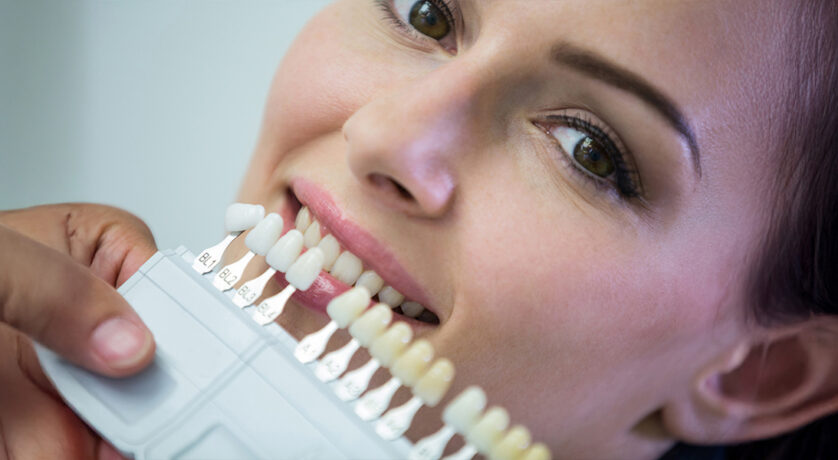
A veneer is a strong, tooth-colored layer bonded to the front of a tooth. Most veneers use porcelain or composite resin. Both materials blend with your natural enamel and reflect light in a way that looks like a real tooth.
Veneers can be used on one tooth or across several teeth in your smile zone. Your dentist designs them to match your features, face shape, and bite. The goal is a smile that looks balanced and natural, not overdone.
Common reasons people ask about veneers include:
- Stains that do not respond to whitening
- Chipped or worn edges
- Small gaps between teeth
- Teeth that look uneven or misshapen
Why Patients Choose Veneers for Cosmetic Improvement
Many patients want a more even smile without months of orthodontic treatment. Veneers can hide a mix of cosmetic issues in fewer visits than braces or aligners.
Veneers can:
- Brighten teeth that stay dark after whitening
- Make short teeth appear longer
- Close modest spaces and black triangles
- Create a more uniform, symmetrical look
For some, veneers are part of a complete smile makeover that includes whitening, contouring, or replacing old restorations. Your dentist will map out a plan that fits your mouth, not a one-size template.
Types of Veneers and How They Differ
Not all veneers are the same. Your dentist will discuss which type suits your teeth, bite, and cosmetic goals.
Porcelain veneers
- Made in a dental lab from high-strength porcelain
- Resist stains from coffee, tea, and wine
- Often last longer than composite veneers
- Requires a small amount of enamel removal in most cases
Composite veneers
- Sculpted directly on the tooth with tooth-colored resin
- It can often be placed in a single visit
- Easier to repair if chipped
- May stain and wear faster than porcelain
Minimal-prep or no-prep veneers
- Very thin shells that need little enamel removal
- Not right for every case, especially where teeth already flare forward
- Can feel more conservative when anatomy allows
Your dentist will weigh gum health, bite forces, and the starting position of your teeth before recommending a style.
What the Veneer Process Looks Like from Start to Finish
The veneer process is planned and stepwise. Here is what you can expect in most cases:
- Consultation and exam
- Smile design
- Tooth preparation
- Temporary veneers
- Lab fabrication
- Try-in and bonding
- Follow-up visit
Your dentist listens to your concerns, reviews your health history, and examines your teeth and gums. Photos and X-rays help plan safe treatment.
You and your dentist talk about shape, shade, and the number of teeth to treat. Some offices use digital scans or mock-up models so you can preview changes.
A thin amount of enamel is smoothed away only where needed so the veneer fits comfortably and looks natural. Numbing is used to keep you comfortable. An impression or digital scan is taken.
Custom temporaries protect your teeth and let you “test drive” your new look. You can give feedback on length, shape, and feel.
A lab designs and creates your veneers based on the agreed plan. Shade and translucence are matched to your natural teeth or chosen whitened shade.
At the final visit, veneers are placed on your teeth without cement first. Once you and your dentist approve the fit and color, they are bonded to your teeth and polished.
A short follow-up checks your bite and gum health and allows for any fine-tuning.
How Long Veneers Last and How to Care for Them
With good habits and regular checkups, porcelain veneers often last a decade or more. Some remain in good shape for much longer. Composite veneers have a shorter life span and may need more maintenance.
To protect your veneers:
- Brush twice a day and floss once a day
- Routine checkups and cleanings with your local dentist help keep your veneers and natural teeth in good shape
- Avoid chewing ice, pens, or very hard foods with veneered teeth
- If you grind or clench your teeth, a night guard can help protect both your veneers and natural enamel
- Limit dark drinks and tobacco for the sake of your entire smile
Veneers themselves do not decay, but the tooth under them can. Good home care is vital.
Are Veneers the Right Choice for You?
Veneers work best for patients who want a greater cosmetic change than whitening alone can offer, yet do not need full crowns on each tooth.
You may be a good match if:
- Your gums are healthy
- You have enough enamel for bonding
- Your bite is stable without severe grinding
- You have realistic goals and understand the limits
If you search for a dentist in Ellicott City, look for a provider who spends time on planning, listens to your concerns, and explains alternatives. In some cases, orthodontics, whitening, or bonding may be better first steps.
Veneers FAQ
How long do veneers last?
Porcelain veneers can stay in good shape for many years, often 10 to 15 or more, when you care for them well, and your bite remains stable. Composite veneers tend to have a shorter span and may need repair or replacement sooner. Lifespan depends on oral hygiene, diet, and habits such as grinding.
What should I expect during a veneer procedure?
For most patients, the veneer process includes:
- An initial consultation and exam
- Tooth preparation with local anesthetic
- Impressions or digital scans
- Temporary veneers while the lab works
- A final visit where veneers are tried in, adjusted, and bonded
You can expect some pressure and minor vibration during preparation, but numbing helps keep you comfortable through the visit.
What dental issues can veneers fix?
Veneers can improve the look of:
- Deep or uneven stains
- Chipped, cracked, or worn teeth
- Small gaps or slight crowding
- Teeth that seem short, narrow, or misshapen
They do not replace orthodontic treatment for major bite problems, but they can refine the way your smile looks in many day-to-day cases.
Am I a good candidate for veneers?
You might be a good candidate if your teeth and gums are healthy, you do not have untreated decay, and your bite is not severely imbalanced. Patients who grind their teeth may still qualify with added protection, such as a night guard. A complete exam and a conversation with your dentist will give you the clearest answer for your smile.
Book a Veneers Consultation with Our Dental Team
If you are curious about veneers, the next step is a face-to-face visit with a dentist near you who can study your teeth and walk through your choices. During your consultation, your dentist will show examples, answer your questions, and explain a treatment plan that fits your goals, timeline, and comfort. To explore what veneers could do for your own smile, schedule a visit with the team at Family & Cosmetic Dentistry in Ellicott City and start moving toward the confident smile you want.
Dental Anxiety: Causes & Ways We Help You Feel Comfortable
December 1, 2025Many people feel a little nervous about seeing the dentist, but for some, that nervousness can grow into dental anxiety, a real and often overwhelming fear that keeps them from receiving the care they require. This anxiety might appear as racing thoughts before an appointment, sweating in the waiting room, or even putting off visits altogether.
At modern dental offices, these concerns are understood and treated with empathy. Today’s focus is not just on healthy teeth, but also on making every patient feel genuinely safe and respected.

Common Reasons Behind Dental Anxiety
Understanding what fuels your fear is an important step toward overcoming it. Many patients who experience anxiety at the dentist’s office share similar triggers:
- Previous negative experiences: Even one uncomfortable appointment can make future visits feel stressful.
- Fear of pain: Although dentistry has become far more comfortable with modern techniques, many still expect discomfort.
- Loss of control: Sitting back in the chair while someone works in your mouth can leave you feeling vulnerable.
- Needles or drilling sounds: Sensory triggers like these can raise heart rate and tension.
- Embarrassment: Worrying about the condition of your teeth or possible judgment from your dentist is very common.
Each of these feelings is valid. Recognizing and talking about them helps your dental team tailor care in a way that supports both your emotional and physical comfort.
How Dental Anxiety Impacts Oral Health
Avoiding dental visits might feel like a temporary relief, but it can create bigger problems over time. Skipping checkups allows small cavities or gum inflammation to progress unnoticed. Eventually, these issues may require longer, more complex treatments—precisely what anxious patients hope to avoid.
When oral health declines, confidence and comfort decline with it. That’s why addressing anxiety early is key. Preventive care appointments are quick, gentle, and far less invasive than emergency procedures. The sooner you build trust with your dentist, the easier each visit becomes.
Recognizing the Signs of Dental Anxiety
You may be dealing with dental anxiety if you notice any of the following:
- You avoid scheduling dental appointments altogether.
- You have trouble sleeping the night before a visit.
- You feel your heart race or your palms sweat in the waiting room.
- You become tearful, tense, or shaky during treatment.
These symptoms don’t mean you’re “overreacting.” They’re genuine emotional responses to a situation that feels stressful. A compassionate dentist near you will take time to listen, reassure, and move at a pace that feels manageable for you.
How We Create a Calming Experience
The foundation of comfortable care is trust. Before any procedure begins, your dental team should explain what will happen, why it’s needed, and how long it will take. That knowledge gives you back a sense of control.
In our practice, we:
- Walk you through every step before treatment starts
- Use the latest tools and techniques to minimize discomfort
- Offer breaks during longer procedures
- Encourage you to use hand signals to communicate needs
- Maintain a calm, friendly environment with gentle staff interactions
These small details can completely change how you experience dental care. When you feel heard and respected, your body naturally relaxes, and dental visits become much easier to manage.
Managing Fear of Needles
A common worry among anxious patients is the fear of injections. Rest assured, this is something we handle with care every day. Before any numbing medication is given, a topical anesthetic is applied to the area so you barely feel the needle. Many patients are surprised at how quick and comfortable the process can be.
If you struggle with this fear, let your dentist know early. They can talk you through the process, use distraction techniques, or take extra time to help you stay calm.
How Sedation Dentistry Can Help
For patients with more severe anxiety, sedation options can make dental care feel manageable again. Sedation dentistry doesn’t mean you’re “asleep”; rather, it helps you stay calm, relaxed, and comfortable throughout your appointment.
Based on your requirements, your dentist might suggest mild oral medication or other safe relaxation methods. These techniques make it easier to complete multiple treatments in one visit, without feeling rushed or tense. Sedation is always monitored closely for safety, ensuring a positive and stress-free experience.
FAQs About Dental Anxiety
Yes, it’s one of the most common concerns. Dentists use numbing gels, slow injections, and distraction to minimize discomfort.
It typically stems from previous negative experiences, an apprehension of pain, or a sensation of losing control during treatment.
If you regularly feel tense, lose sleep, or avoid visits altogether, you may have dental anxiety.
By explaining each step, offering breaks, using gentle methods, and encouraging you to communicate your comfort level.
Yes. Sedation is available for patients who need additional relaxation support during treatment.
Ready to Feel Comfortable at the Dentist?
You deserve dental care that feels calm, safe, and centered on your needs. Open communication, gentle techniques, and optional sedation can transform your experience for the better. If you’re searching for a trusted dentist in Ellicott City, the caring team at Family & Cosmetic Dentistry in Ellicott City is here to help you feel confident and relaxed every step of the way.