

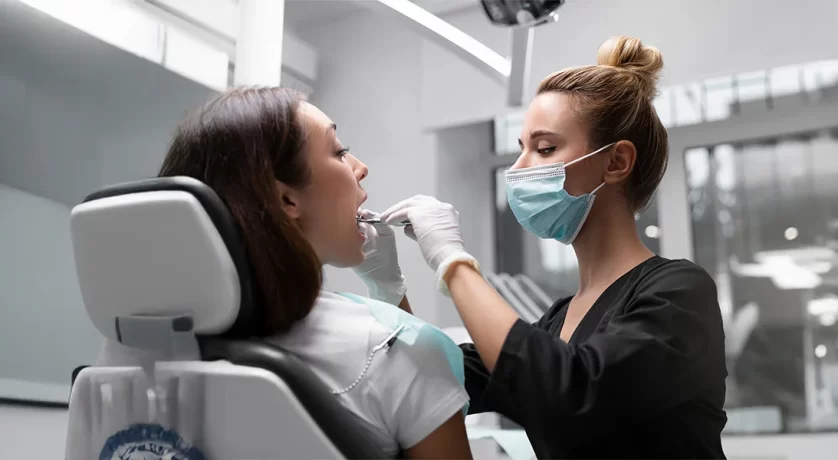
A severe toothache, worsening swelling, or a damaged tooth can make it hard to decide whether to wait for a regular appointment. Some dental problems can wait, but increasing pain, persistent bleeding, infection, or significant trauma may need attention sooner.
An emergency dentist in Ellicott City, MD can identify the cause of your symptoms and explain your treatment options.
Same-day emergency appointments may be available for urgent dental concerns when scheduling permits.
Call our Ellicott City office as soon as possible so the team can review your symptoms and discuss same-day appointment availability.
Read More
What Makes EMFACE Different from Other Facial Treatments?
August 1, 2026Facial aging isn't caused by wrinkles alone. As collagen production slows and the muscles beneath the skin gradually lose strength, facial contours can become softer over time. Many cosmetic treatments focus on improving the skin's surface, but they don't always address the underlying changes that contribute to an older appearance.
That's what sets EMFACE facial treatment apart. It combines radiofrequency with high-intensity facial muscle stimulation in a single session, offering a non-invasive approach that supports both skin quality and the muscles responsible for facial definition. For people seeking noticeable improvement without surgery, needles, or downtime, it offers an alternative path to facial rejuvenation.
Read More
7 Common Signs You May Have TMJ Disorder
July 1, 2026Jaw discomfort is easy to overlook, especially when it comes and goes. A clicking sound while chewing, tightness around the jaw, or occasional facial soreness may not seem concerning at first. However, persistent changes in how your jaw feels or functions can sometimes point to a temporomandibular joint (TMJ) disorder.
The temporomandibular joints connect the jaw to the skull, helping the mouth move efficiently during activities such as talking, eating, and yawning. When these joints or the surrounding muscles become irritated or strained, a variety of problems can develop. Recognizing these warning signs early may help prevent worsening discomfort and limitations in everyday activities.
Read More
Tooth discoloration is a common concern for people who want to improve the appearance of their smile. Stains can develop gradually due to daily habits, aging, medications, and other factors. Professional whitening may improve the appearance of many types of discoloration when a dental professional guides treatment.
If you are considering teeth whitening in Ellicott City, understanding the source of staining is an important first step. Some types of discoloration respond well to whitening, while others may require a different cosmetic approach. A professional examination can help identify the cause and establish realistic expectations before treatment begins.
Read More